



Submarines
Your Mission
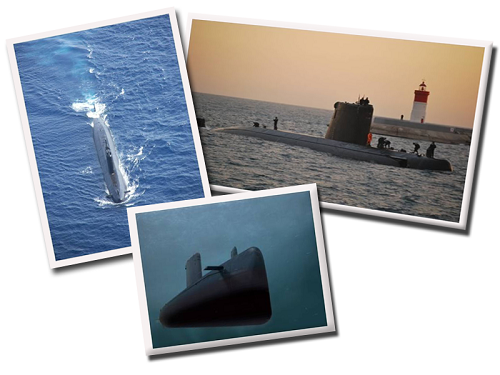
Operating submarines is a ‘bonus’ for any Navy claiming respect. The technical complexity of these ships and the peculiarities of their operational use, require very specific communication and command structures ashore to warrant the safety of the submarines while sailing underwater. The Spanish Navy operates the French-designed S-70 series submarines, built in Cartagena by NAVANTIA at the beginning of the 80’s. They are conventional submarines; that is, ships propelled by electric motors whose batteries are, in turn, charged by diesel engines.
These units can engage surface ships with the use of torpedoes and they can also lay mines and gather information (intelligence) from coastal and littoral areas and operate as early warning platforms. Another valuable asset is the deterrent capability, since the sole presence of a submarine can deter a naval force from setting sail. A case in point is the well-known event of the sinking of the Argentinian cruiser ‘General Belgrano’ during the Falklands War by the Royal Navy submarine ‘Conqueror’. The mere presence of that submarine resulted in the confinement of the whole Argentinian Fleet, unable to participate in the conflict.
The future of the Submarine Branch of the Spanish Navy lies on the S-80 submarines currently under construction. This ship will represent a great technological leap given her missile launching capability and the enhanced immersion time thanks to the state-of-the-arts air independent propulsion system (AIP). The submarines are being built in Cartagena Shipyards with indigenous R&D technology.

